Savelugu School for the Deaf Calls for Greater Inclusion of Persons with Hearing impairment
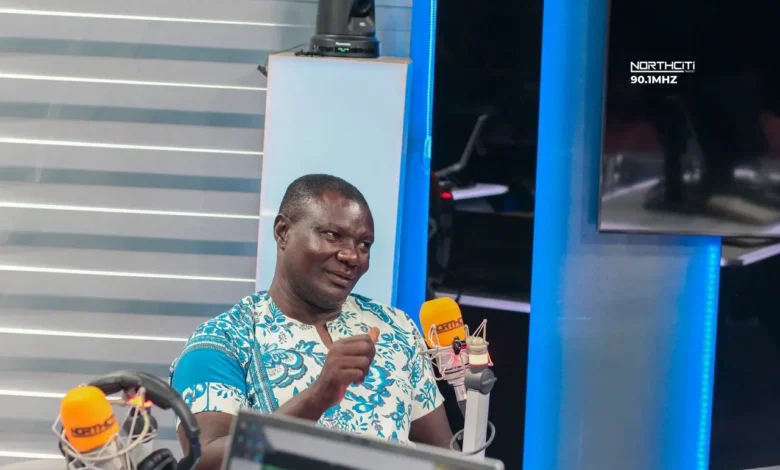
The Assistant Headmaster of the Savelugu School for the Deaf, Mr. Benjamin Nyamah, has called on parents and members of the public to adopt a more inclusive approach towards people with speech and hearing impairment.
He urged Ghanaians to be more welcoming and accommodating towards deaf people and give them equal opportunities to participate fully in society.
Mr. Nyamah made the call in an interview with NorthCiti Online to mark the International Day of Sign Languages, observed on Wednesday, September 23, 2026.
The day, established by the United Nations and first observed in 2018, seeks to raise awareness of the importance of sign languages and promote the rights, inclusion and participation of deaf people in society.

Mr. Nyamah said although discrimination against people with hearing impairment had reduced, there was still the need for society to do more to promote their inclusion.
He admonished parents and citizens to change their attitudes towards deaf people and create an environment where they would feel accepted and valued.
According to him, parents must pay particular attention to children with hearing impairment because “they need even more attention.”
Mr. Nyamah also highlighted some challenges facing the Savelugu School for the Deaf, including “inadequate sign language facilitators, insufficient resources and materials for teaching and learning, parental neglect of wards’ welfare and inability of most deaf students to read and comprehend.”
He said the academic performance of students, particularly in English Language, remained a major concern.
Mr. Nyamah explained that “the performance of our students, especially in English Language, is low as a result of the shared curriculum we use with mainstream students.”
He therefore appealed to the authorities to introduce an assessment system that takes into account the specific learning needs of deaf students.
He pleaded with the authorities to “introduce a system where deaf students will sit for a separate exam rather than allowing them write the conventional BECE exams.”
The Assistant Headmaster also called on the government to recruit and post more special education teachers and teachers with sign language skills to the school.
He further appealed to the government to introduce a special allowance for teachers working in schools for the deaf to motivate them and improve teaching and learning.
On the part of parents, Mr. Nyamah urged them to pay greater attention to their children with hearing impairment, stressing that their support was critical to their development and confidence.
A JHS Two learner of the school, Issahaku Anass, also appealed to the government to provide the school with adequate teaching and learning resources to improve learning outcomes.
He expressed concern about the neglect some deaf children face at home, saying “some parents neglect their kind at home and pay keen attention to their siblings who can hear.”

According to him, such treatment can make deaf children feel abandoned and affect their motivation.
Issahaku stressed that deaf people should not be underestimated, saying, “what the hearing can do, the deaf can equally do same.”