TaTU Lecturer Warns Against Fake News, Criticises Political Parties Over Unfulfilled Promises
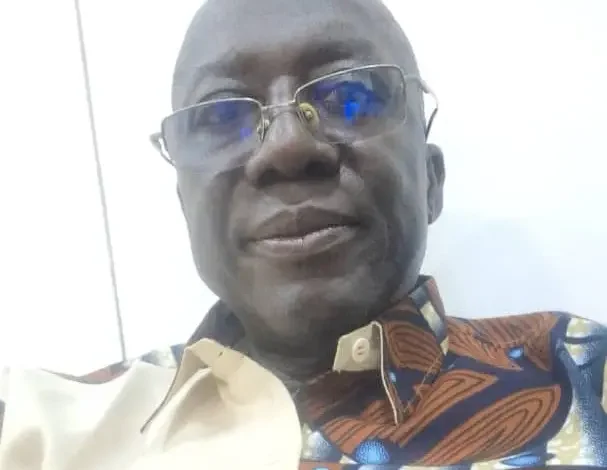
A Senior Lecturer at Tamale Technical University (TaTU), Dr. Jacob Abudu, has urged social media users to verify information before sharing it, warning that the spread of fake news and misinformation poses a threat to credible public discourse.
He has also criticised political parties in Ghana for prioritising the pursuit of political power over delivering on promises made to the electorate.
Speaking on NorthCiti TV’s Breakfast Republic, Dr. Abudu discussed the growing influence of social media and the conduct of political parties, highlighting concerns about information integrity and political accountability.
Social media and the spread of misinformation
Dr. Abudu acknowledged that social media has transformed access to information by creating opportunities for education, public awareness and communication.
However, he warned that the same platforms have become channels for spreading fake news, misinformation and disinformation, making it increasingly difficult for users to distinguish facts from falsehoods.
He said traditional media organisations generally have established procedures for verifying information before publication, although some outlets have also faced criticism for publishing sensational stories without adequate factual verification.
The lecturer urged social media users to exercise caution and establish the credibility of information before sharing it.
He warned that people who circulate unverified reports risk contributing to the spread of false information, even when they do not intend to mislead others.
Dr. Abudu stressed that social media remains a valuable tool for public education and engagement, but responsible use and fact-checking are necessary to protect the integrity of information in the digital space.

Political parties accused of prioritising power over promises
On Ghana’s political landscape, Dr. Abudu argued that the desire to win and retain political power often influences the positions political parties take on national issues.
He observed that parties sometimes adopt different positions on the same issues depending on whether they are in government or in opposition.
Drawing comparisons with politics in the United States, he noted that concerns about political influence over public institutions and electoral processes also feature in other democracies, reflecting the wider challenges associated with the struggle for political power.
Dr. Abudu cited the fight against illegal small-scale mining, popularly known as galamsey, as an example of the gap that can emerge between campaign promises and performance in government.
He questioned the consistency of political commitments to tackling illegal mining, arguing that some promises made to secure public support are not adequately fulfilled after political parties assume office.
According to him, such inconsistencies can undermine public confidence in political parties and raise questions about the sincerity of their campaign commitments.
Call for honest political communication
Dr. Abudu urged political parties to communicate their policies and intentions honestly, encouraging politicians to make realistic promises that they can deliver if elected to office.
He said the electorate deserved clear and truthful explanations of what political parties intended to achieve rather than promises designed primarily to secure electoral victory.
His comments highlight concerns about two important aspects of public life: the responsibility of social media users to prevent the spread of false information and the obligation of political parties to demonstrate accountability to the electorate.
While social media users must take greater care when sharing information, Dr. Abudu’s remarks also place emphasis on the need for transparency, consistency and honesty in political communication.
He maintained that responsible information sharing and greater accountability from political leaders are essential to strengthening public trust and promoting informed public debate in Ghana.