
UDS Graduates Khadijah Yamyiya, Mubarak Aziza Wins Irish Project Seed Prize with Ecofurn Initiative
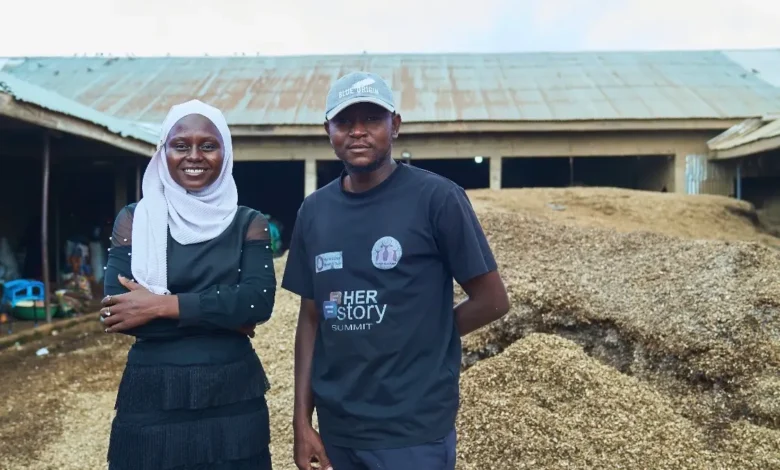
Khadijah Yamyiya Seidu, and Mubarak Aziza Alhassan co-founders of Ecofurn and Alumni of the University for Development Studies (UDS) have been named winners of the $5,000 Irish Project Seed Prize with their innovative initiative, Ecofurn Ghana.
The idea for Ecofurn came during a school visit in Tamale, where Khadijah was conducting waste and environmental education sessions in basic schools across Northern Ghana.
During one of the visits, she found pupils sitting on classroom floors because the school did not have enough desks.
The head teacher told her the situation had continued for years and had affected enrolment and dropout rates, with some children spending several hours a day kneeling or squatting to write.
The experience led Khadijah and her co-founder, Mubarak Aziza Alhassan to ask whether the waste the pupils were being taught to manage could instead be used to solve the problem they faced in the classroom. That question gave birth to Ecofurn Ghana.
Khadijah leads the initiative together with Mubarak Aziza Alhassan, Nimatu Abdul Karim, and Suale Mudirikatu all of whom are in their twenties.
Ecofurn transforms plastic waste and rice husk into durable composite boards, which are then used to produce school desks and other furniture.
The initiative seeks to address environmental pollution, agricultural waste and the shortage of school furniture at the same time.
According to the project information, more than 2.3 million children in Ghana’s public basic schools do not have proper desks, forcing some to sit on floors or learn in overcrowded conditions.
The Seed Prize of $5, 000 will help Ecofurn move from prototype development into practical production.
The team plans to conduct durability and safety tests on the composite boards, develop a locally fabricated low-cost machine to support production, complete the legal registration of the enterprise and produce its first batch of desks for delivery to a partner public school.
The team disclosed that the model can be replicated in communities where plastic waste, agricultural byproducts and deforestation remain major challenges.
The Iris Prize rewards new ideas and established projects, hoping to overcome the circumstantial barriers that too often prevent young people from being able to advocate for nature-related change.
Story by Sulemana Abubakari Sadiq